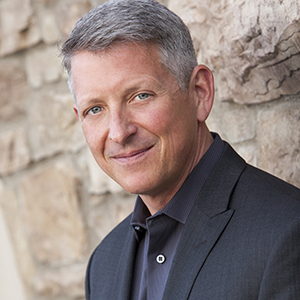
Contact Information
Name: Steve Roach
Title: Professor of Music
Office Location: Capistrano 463
Email: roach@csus.edu
Office Phone: (916) 278-7987
Education : DA, University of Northern Colorado
Courses Taught : Applied Music - Trumpet (jazz), Jazz Ensembles
Profile
Get to Know Me!
1. What inspired you to pursue music?
I grew up in Green Bay, Wisconsin, and started playing trumpet in my school band in the sixth grade. Very quickly, band became my favorite part of the school day. There was something about the sound of a large ensemble coming together that felt exciting and powerful, and I remember looking forward to that class more than anything else in my schedule. Through middle school and high school, I immersed myself in every musical opportunity I could find—concert band, marching band, and jazz band.
Many of my earliest inspirations came through travel with those ensembles. I was fortunate to perform on band trips to events like the Cotton Bowl and the Indianapolis 500, and to participate in regional jazz festivals with my high school jazz ensemble. Those experiences opened my eyes to the excitement and community that music could create. With each trip and performance, my interest in music grew stronger.
During high school, I began studying privately with local trumpet teachers and attending summer music camps at nearby universities. Those experiences introduced me to a whole new level of musicianship and helped me realize that music could be more than just a hobby—it could be a life’s work.
By the time I graduated, I started seriously imagining what a life in music might look like. While studying trumpet performance at Indiana University, I began auditioning for professional performance opportunities and eventually landed jobs as a show musician at places like Six Flags and Walt Disney World. After completing my bachelor’s degree, I continued performing professionally with cruise ship orchestras, playing production shows and dance band sets while traveling throughout the world and performing for audiences across multiple continents.
Over time, those experiences led to a wide variety of performing opportunities—corporate and dance bands, salsa groups, rock and reggae bands, symphony orchestras, recording sessions, regional Broadway pit orchestras, and a year-long tour with the Glenn Miller Orchestra, which took me across the United States and internationally to South America and Japan.
While I loved performing and traveling, those experiences also helped me realize how much I valued mentorship and musical education. Many of the opportunities I had were made possible by teachers and mentors who believed in me and encouraged my growth. That realization ultimately inspired me to pursue graduate study, earning my master’s and doctoral degrees so that I could teach at the university level and help the next generation of musicians find their own path in music.
2. What apprehensions did you have about becoming a musician? How did you overcome them?
A life in music can be incredibly rewarding, but it’s also unpredictable and, at times, uncertain. When I first began pursuing music professionally, I quickly realized just how competitive the field could be. There were moments of real doubt—wondering whether I was good enough, whether the opportunities would keep coming, and whether I could build a sustainable career doing something that so many people also dreamed of doing.
The lifestyle itself can also be challenging. Much of my early career involved constant travel—touring, cruise ship contracts, and performance gigs that required long stretches away from home. While those experiences were exciting and formative, they also required a significant amount of flexibility and resilience. There isn’t always a clearly defined path in music, the way there might be in other professions, so you have to learn to navigate uncertainty and trust the process.
What helped me most was staying focused on the bigger picture and believing in the long-term goal I had set for myself. I learned early on that success in music isn’t just about talent—it’s about persistence, preparation, and maintaining confidence in yourself even when things feel uncertain. I tried to approach every opportunity as a chance to grow, whether it was a performance, learning a new musical style, or collaborating with other musicians.
Over time, I came to believe strongly that if you truly dedicate yourself to something—if you work hard, stay focused, and believe in your ability to grow—you can create opportunities that might not have seemed possible at the beginning. There will always be moments of uncertainty along the way, but those moments are often where the most growth happens.
Looking back, those challenges were some of the most important learning experiences of my career. They shaped my work ethic, strengthened my confidence, and ultimately helped guide me toward the path I’m on today—teaching and mentoring students who are beginning their own musical journeys.
3. What do you like about teaching?
One of the most rewarding parts of teaching is watching students grow—both musically and personally. Every student arrives with a different background, a different level of preparation, and a different timeline for their development. Being able to guide that process and help students discover what they’re capable of is incredibly meaningful to me.
Part of why this resonates so strongly with me is because of my own journey as a student. Early in my academic career, I wasn’t always the strongest student academically. It wasn’t until toward the end of my undergraduate degree that I truly began to apply myself and realize the importance of discipline, focus, and consistent effort. That experience shaped how I approach teaching today. It reminds me that students and musicians grow and mature at different stages in their development, and everyone deserves the opportunity—and the encouragement—to find their stride.
What I enjoy most is helping students ignite that sense of motivation and work ethic within themselves. When a student begins to realize that their effort directly shapes their progress, something powerful happens. You can see their confidence grow, their musicianship deepen, and their sense of purpose become clearer.
As a teacher, there is nothing quite like witnessing that transformation—seeing a student take ownership of their learning, push through challenges, and achieve things they may not have thought possible when they first arrived. Being able to play even a small role in that journey is one of the greatest rewards of teaching.
I also try to bring my experiences as a performing musician into the classroom and rehearsal hall so students can see how the skills they develop here translate directly into the professional world. Helping students connect their studies with real-world musical opportunities is something I care deeply about.
At Sac State, one of my greatest joys is building a community where students can challenge themselves artistically while also feeling supported as they grow. Watching students develop their own musical voice, perform at a high level, and become part of a collaborative and encouraging musical environment is incredibly fulfilling.
4. What else do you do besides music?
I have many interests and hobbies outside of music, and I’ve always felt that finding the right life balance is incredibly important. As much as I love music and teaching, I also believe that stepping away from it from time to time helps me appreciate it even more. Music can be a constant presence in my life—both professionally and personally—so finding other outlets helps keep that balance healthy and sustainable.
I’m a very active person by nature, and I enjoy physical activities that allow me to spend time outdoors. Some of my favorites include road and mountain biking, skiing, swimming, and scuba diving. Really, anything that gets me outside and connected with nature is something I enjoy. Being in nature provides a kind of serenity and quiet that contrasts beautifully with the constant sound and activity that comes with a life in music. It’s one of the few places where I can completely unplug, reset, and clear my mind.
Travel is another passion of mine. I don’t believe life is meant to be experienced entirely in one place. Traveling allows you to encounter new cultures, perspectives, and ways of life that broaden your understanding of the world. It pushes you outside of your comfort zone and your daily routines, and it reminds you that there are countless ways people live, think, and create.
For me, those experiences are deeply enriching—not just personally, but artistically as well. Music itself is a global language shaped by cultures from around the world, so experiencing different places and communities helps deepen my appreciation for that diversity. Travel, like music, has a way of connecting people, opening your perspective, and reminding you that there is always more to learn.
In many ways, those experiences outside of music ultimately feed back into my work as a musician and teacher. They help me stay curious, stay energized, and continue growing both as an artist and as a person.
5. What advice would you give to students considering a career in music?
If you’re considering a career in music, my advice is simple: be passionate, stay curious, and be willing to work hard. Music is an incredibly rewarding path, but it also requires dedication, persistence, and a belief in yourself—especially during moments when things may feel uncertain.
Take every opportunity to learn, perform, collaborate, and grow. Surround yourself with people who inspire you and challenge you to become better. Most importantly, remember that every musician’s journey is different. Stay focused on your goals, keep developing your craft, and trust that consistent effort over time can open doors you may not even see yet.
Music has given me the opportunity to travel the world, meet incredible people, and build a career doing something I truly love. Being able to share that journey with my students and help them discover their own path in music is one of the most meaningful parts of what I do.
Professional Bio
Steve Roach has been the Director of Jazz Studies at California State University, Sacramento since 2001. He previously held the same position at Baylor University and has also taught at the University of Northern Colorado and Northern Illinois University. At Sacramento State, he directs large and small jazz ensembles, teaches jazz trumpet, oversees the jazz performance and jazz education degree programs, and teaches jazz history.
He holds a Bachelor of Music in trumpet performance from Indiana University, a Master of Music in trumpet performance from Northern Illinois University, and a Doctor of Arts in trumpet and jazz pedagogy from the University of Northern Colorado.
As a performer, Roach has appeared in studio and live settings with a wide array of jazz and pop artists, including Tito Puente, Dave Pietro, Brian Landrus, Louis Bellson, Billy Drummond, Alan Ferber, Conrad Herwig, Lou Rawls, Jon Tchicai, Ben Vereen, Melissa Manchester, Toni Tennille, Roberta Flack, Rosemary Clooney, Jeffrey Osborne, Carl Fontana, Paquito D’Rivera, the Smithsonian Jazz Masterworks Orchestra, and the Glenn Miller and Jimmy Dorsey Orchestras.
In addition to maintaining an active freelance schedule, Roach is a sought-after clinician and adjudicator at jazz festivals, workshops, and educational conferences nationwide. He has directed numerous honor jazz ensembles throughout California and nationally and remains a dedicated advocate for jazz education at all levels. He is also the author of two widely adopted collegiate online courses, Jazz Appreciation and Music Appreciation, published by Kendall Hunt Publishing Company. These courses are used by a variety of undergraduate music programs and support broader access to music education in both in-person and online formats.