Support Page Content
BS in Health Science
About the Program
The Bachelor of Science in Health Science provides students with a broad and flexible foundation for careers and advanced education across the healthcare professions.
The interdisciplinary curriculum combines the biological and physical sciences with coursework examining the psychological, social, environmental, ethical, and technological dimensions of health and healthcare.
Students develop an understanding of human health and disease while building professional skills in communication, leadership, interpersonal relationships, cultural responsiveness, evidence-based practice, and emerging healthcare technologies.
With a wide range of electives, students can individualize their education around their career goals and complete coursework that supports prerequisites for many graduate, professional, and allied health programs.
What You'll Learn
Health Science students develop a broad understanding of health, healthcare, and the factors that contribute to individual and population well-being.
Areas of study include:
- Human anatomy and physiology
- Health, disease, and pathology
- Psychological and behavioral influences on health
- Social and environmental determinants of health
- Diversity, equity, and inclusion in healthcare
- Interpersonal dynamics and communication
- Leadership in healthcare
- Ethics and professional practice
- Health and wellness across the lifespan
- Special populations in healthcare
- Health informatics and emerging technologies
- Artificial intelligence in healthcare
- Evidence-based approaches to health and wellness
- The changing healthcare environment
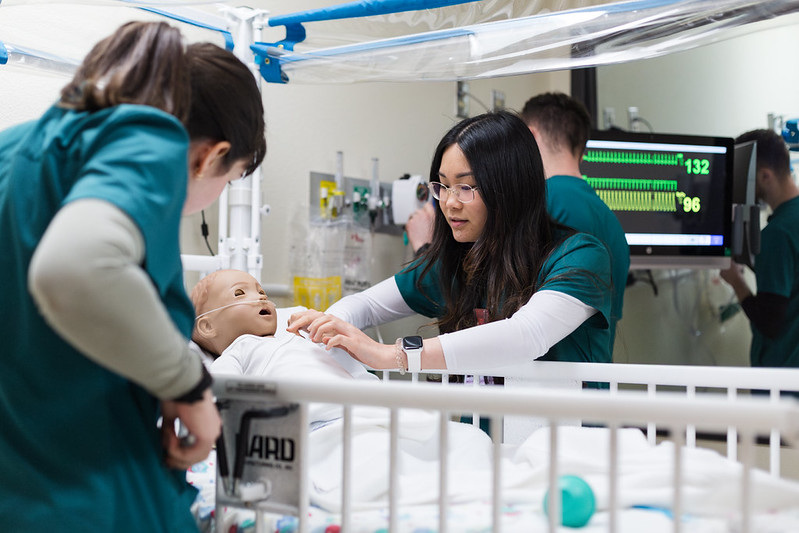
Career and Educational Pathways
Health Science is designed for students interested in the many different ways they can build a career in healthcare.
Some graduates enter the healthcare workforce after completing their bachelor's degree, while many use the major as preparation for graduate programs, professional schools, clinical training, or specialized allied health programs.
Because career and educational requirements vary considerably across the health professions, students should work closely with an academic advisor and research the admission requirements for their intended career pathway.
Nursing & Direct Patient Care
Health Science can provide a strong academic foundation for students interested in pursuing additional education or professional training in areas such as:
- Nursing
- Physician Assistant Studies
- Occupational Therapy
- Respiratory Therapy
- Emergency Medical Services
- Paramedicine
- Surgical Technology
- Anesthesia Technology
Diagnostic & Clinical Health Professions
Students may also prepare for additional education and training in fields such as:
- Diagnostic Medical Sonography
- Radiologic Technology
- Radiation Therapy
- Cardiovascular Technology
- Medical Laboratory Science
- Audiology
- Communication Sciences and Disorders
- Other diagnostic and clinical health professions
Healthcare & Allied Health Careers
Depending on their education, experience, and professional preparation, Health Science graduates may pursue opportunities in areas such as:
- Healthcare program coordination
- Patient and client services
- Health and wellness programs
- Medical and healthcare sales
- Health communication
- Health information and technology
- Community and nonprofit health organizations
- Healthcare operations and support services
Graduate & Professional Education
The flexibility of the Health Science degree also allows students to prepare for graduate and professional education in areas such as:
- Nursing
- Physician Assistant Studies
- Occupational Therapy
- Public Health
- Healthcare Administration
- Health Informatics
- Communication Sciences and Disorders
- Other allied health and healthcare professions
Admission and career requirements vary by profession and educational program. Completion of the BS in Health Science does not guarantee admission to a graduate, professional, certification, or licensure program. Students should review the specific prerequisite and admission requirements for their intended pathway.
Where You Can Work
Health Science graduates bring a broad understanding of health and healthcare to a variety of professional environments.
Potential employment settings include:
Hospitals & Healthcare Systems
- Hospitals
- Medical centers
- Outpatient clinics
- Physician practices
- Specialty healthcare organizations
Rehabilitation & Allied Health
- Rehabilitation centers
- Therapy practices
- Diagnostic and imaging centers
- Specialty clinics
- Allied health organizations
Community & Public Service
- Community health organizations
- Nonprofit organizations
- Government agencies
- Schools and educational programs
- Community-based healthcare programs
Healthcare Business & Technology
- Health technology organizations
- Medical device companies
- Health information organizations
- Healthcare administration and operations
- Healthcare consulting and support services
Wellness & Human Services
- Health and wellness programs
- Employee wellness programs
- Aging and older adult services
- Patient support programs
- Community service organizations
Internships & Professional Experience
Connect Your Education to the Healthcare Workforce
Internships are an optional opportunity for Health Science students to gain professional experience while earning elective credit toward the major.
Students may complete a HLTH 195: Health Science Internship in an approved healthcare, community, nonprofit, government, or other setting related to their academic and professional goals.
Internship experiences can help students:
- Gain hands-on experience in healthcare and related settings
- Explore potential career pathways
- Develop professional and interpersonal skills
- Build relationships with healthcare professionals and organizations
- Strengthen resumes and applications for employment
- Accumulate healthcare-related experience that may be valuable when applying to nursing, graduate, professional, or other allied health programs
Students already working in healthcare may also be eligible to earn academic credit for approved work experiences related to their field of study.
For information about internship sites, site approval, academic credit, and enrollment procedures, visit the Allied Health Sciences Internship webpage.
Explore the Curriculum
The Health Science curriculum combines foundational science with the study of health, healthcare, human behavior, leadership, ethics, technology, and wellness.
The degree also offers extensive elective options, allowing students to select coursework that supports their individual career and educational goals.
Featured courses include:
HLTH 100 – Introduction to Health Science
Explore the field of health science, healthcare professions, emerging healthcare trends, professional organizations, and career pathways.
HLTH 140 – Diversity, Equity, and Inclusion in Healthcare
Examine diversity, equity, inclusion, and culturally responsive practices within healthcare environments.
HLTH 141 – Interpersonal Dynamics in Healthcare
Develop interpersonal and professional relationship skills relevant to working effectively with patients, colleagues, and healthcare teams.
HLTH 142 – Leadership in Healthcare
Explore leadership principles and their application within healthcare organizations and professional settings.
HLTH 143 – Personal Wellness for Healthcare Professionals
Examine health and wellness strategies relevant to personal well-being and sustainable careers in healthcare.
HLTH 149 – Health and Disease Pathology
Explore disease processes and their effects on human health.
HLTH 155 – Perspectives on Health and Wellness
Examine contemporary perspectives on health and wellness while developing advanced written communication and critical-thinking skills.
HLTH 160 – Health Professions, Research, and Services
Explore healthcare professions, research, services, and professional opportunities across the healthcare industry.
HLTH 170 – Introduction to Health Informatics
Examine the use of information, data, and technology within modern healthcare systems.
HLTH 171 – Artificial Intelligence in Healthcare
Explore the emerging role of artificial intelligence and related technologies in healthcare.
Design a Degree Around Your Goals
One of the greatest strengths of the Health Science major is flexibility.
Students complete a foundation of required Health Science coursework while selecting from a broad range of electives across Health Science and related disciplines.
This allows students to build an individualized academic plan that can support their interests in areas such as:
- Nursing and patient care
- Physician Assistant Studies
- Occupational Therapy
- Diagnostic and imaging professions
- Behavioral and mental health
- Health technology and informatics
- Healthcare leadership
- Aging and older adult health
- Health and wellness
- Other allied health professions
Because prerequisites vary among graduate and professional programs, students planning to continue their education should identify potential programs early and work with an advisor to incorporate required prerequisite coursework into their academic plan whenever possible.
Advising Information
Students in the BS in Health Science major receive academic advising through the College of Health and Human Services Student Success Center. Professional advisors are available to help students navigate their academic journey from their first semester through graduation.
Students are encouraged to meet regularly with an advisor for assistance with:
- Academic and graduation planning
- Understanding major and degree requirements
- Course selection and registration planning
- Transfer coursework and degree progress
- Selecting Health Science electives
- Exploring academic and career pathways
- Planning for internships and other professional experiences
- Preparing for graduate and professional education
- Staying on track for timely graduation
Planning for Graduate or Professional School?
Students interested in nursing, Physician Assistant Studies, Occupational Therapy, diagnostic imaging, or other graduate and professional programs are encouraged to begin planning early.
Admission and prerequisite requirements vary by institution and profession. Students should research the requirements of programs they may wish to attend and work with an advisor to develop an academic plan that supports those requirements while completing the BS in Health Science.
Connect With an Advisor
HHS Student Success Center
Solano Hall, Room 3000
Phone: (916) 278-7643
Email: chhs_success_center@csus.edu