Support Page Content
BS in Therapeutic Health and Recreation
About the Program
The Bachelor of Science in Therapeutic Health and Recreation combines the health sciences with therapeutic and recreational approaches to improving health, functioning, independence, and quality of life.
Students learn how physical, cognitive, developmental, social, emotional, and behavioral health conditions influence individuals and communities and how therapeutic interventions can be used to promote well-being and participation.
The curriculum emphasizes hands-on learning and professional preparation, giving students opportunities to develop practical skill in assessment, clinical documentation, treatment and intervention planning, program development, leadership, and interdisciplinary healthcare practice.
Whether students are interested in recreation therapy, rehabilitation, behavioral health, disability services, adaptive sports, community health, or other helping professions, the program provides a strong foundation for careers centered on improving the lives of others.
What You'll Learn
Students in Therapeutic Health and Recreation develop knowledge and practical skills that can be applied across healthcare, rehabilitation, community, and human service settings.
Areas of study include:
- Assessment, treatment planning, and clinical documentation
- Therapeutic and recreational interventions
- Physical, intellectual, developmental, and behavioral health concerns
- Mental health, substance use, and addition
- Trauma-informed and person-centered care
- Group leadership and facilitation
- Adaptive recreation and inclusive programming
- Healthcare systems and interdisciplinary collaboration
- Program development and management
- Evidence-based practice
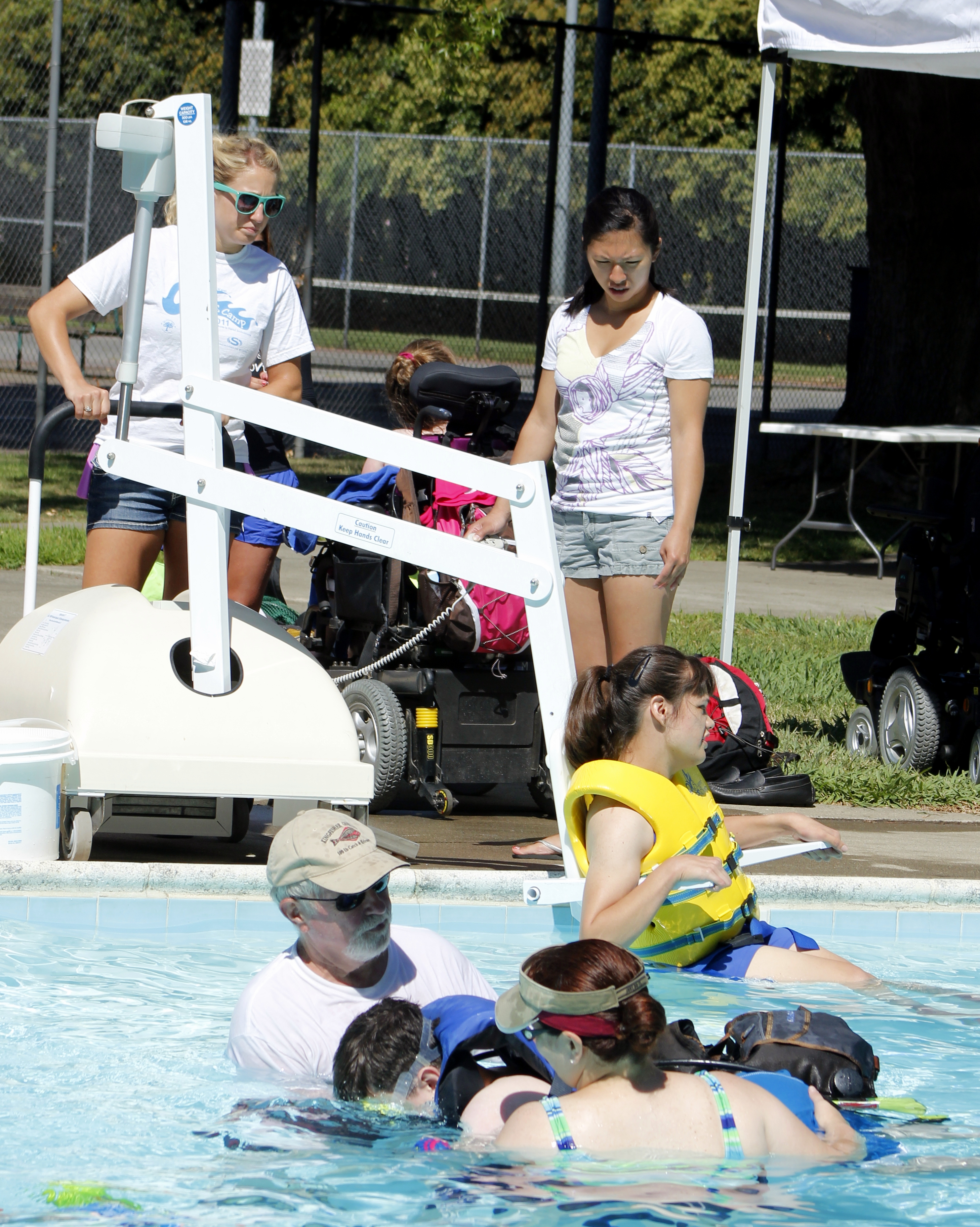
Career and Educational Pathways
Therapeutic Health and Recreation prepares students for careers that promote health, independence, participation, and quality of life.
Graduates may pursue opportunities in therapeutic recreation, rehabilitation, behavioral health, disability services, adaptive recreation, community programs, healthcare organizations, and related health and human service fields.
Therapeutic Recreation & Rehabilitation
Potential career pathways include:
- Certified Therapeutic Recreation Specialist (CTRS)
- Recreation Therapist
- Therapeutic Recreation Specialist
- Rehabilitation Program Specialist
- Adaptive Recreation Specialist
- Activity or Life Enrichment Professional
Behavioral Health & Human Services
The degree also provides a strong foundation for positions and further professional preparation in areas such as:
- Behavioral Health Services
- Mental Health Programs
- Case Management
- Disability Services
- Community Support Services
- Youth and Family Programs
- Substance Use and Recovery Programs
Healthcare & Community Programs
Graduates may also pursue roles involving:
- Healthcare Program Coordination
- Community Health and Wellness
- Adaptive Sports
- Inclusive Recreation
- Older Adult Services
- Nonprofit and Community Programs
- Patient and Client Support Services
Preparation for Advanced Study
The interdisciplinary foundation of the degree, can also support students interested in pursuing graduate or professional education in areas such as:
- Occupational Therapy
- Counseling
- Social Work
- Rehabilitation Counseling
- Child Life
- Public Health
- Healthcare Administration
- Other Allied Health and Helping Professions
Career requirements vary by employer and profession. Some positions require additional education, supervised experience, licensure, or professional certification.
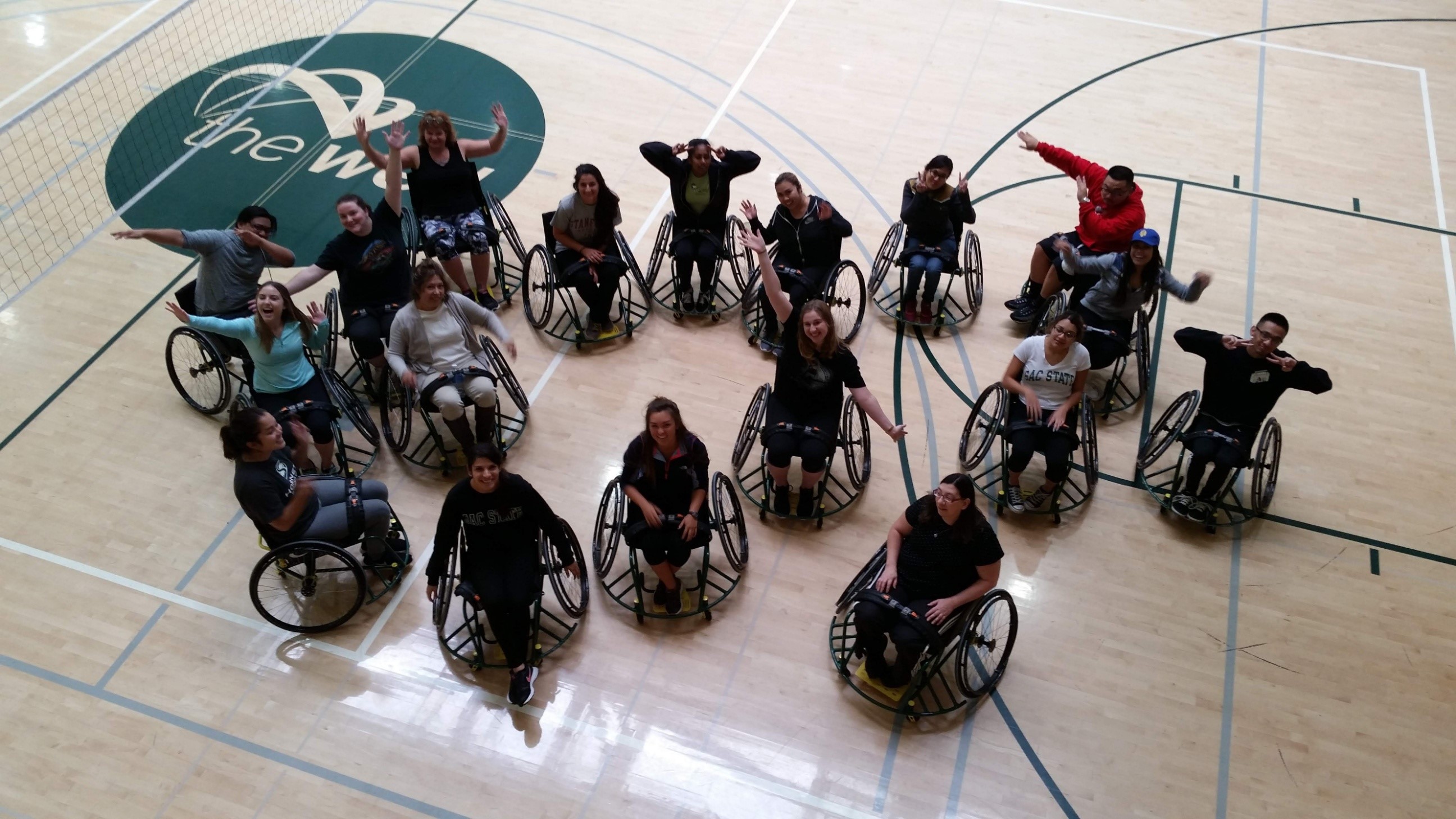
Where You Can Work
Professionals with backgrounds in therapeutic health and recreation work with diverse populations across a wide range of settings.
Potential employment settings include:
Healthcare & Rehabilitation
- Hospitals
- Rehabilitation Centers
- Skilled Nursing Facilities
- Outpatient Rehabilitation Programs
- Long-term Care Settings
Behavioral & Mental Health
- Behavioral Health Programs
- Mental Health Facilities
- Substance Use and Recovery Programs
- Residential Treatment Programs
- Veteran's Programs
Disability & Community Services
- Disability Service Organizations
- Adaptive Sports Programs
- Community Recreation Programs
- Nonprofit Organizations
- Independent and Supported Living Programs
Youth, School & Community Programs
- Schools
- Youth Programs
- Camps
- Community Agencies
- Inclusive Recreation Programs
Specialized Populations
- Older Adult Programs
- Veteran's Services
- Correctional Settings
- Developmental Disability Programs
- Community-based Rehabilitation Programs
Certified Therapeutic Recreation Specialist (CTRS)
Turn Your Degree Into a Nationally Recognized Credential
Students interested in becoming recreation therapy professionals can pursue the Certified Therapeutic Recreation Specialist (CTRS) credential through National Council for Therapeutic Recreation Certification (NCTRC)
The Therapeutic Health and Recreation curriculum includes coursework in therapeutic recreation, disability, assessment and documentation, therapeutic interventions, management, and professional practice designed to build the knowledge and skills used in the profession. Students pursuing CTRS certification should work closely with a program advisor to ensure they complete the coursework, internship, and other requirements necessary to apply for professional eligibility through NCTRC.
Earning the CTRS credential requires meeting NCTRC educational and professional experience requirements and successfully completing the NCTRC certification examination.
Learn More About CTRS Certification
Professional certification requirements are established by external credentialing organizations and may change. Students are responsible for confirming current NCTRC certification requirements.
Internships & Professional Experience
Therapeutic Health and Recreation is designed to connect classroom learning with professional practice.
Throughout the program, students apply therapeutic health concepts through assessment, documentation, intervention development, program planning, leadership, and evidence-based practice. Internship experiences provide opportunities to build professional skills while working in healthcare, rehabilitation, disability services, behavioral health, community programs, therapeutic recreation, and other health and human service settings.
Certified Therapeutic Recreation Specialist Internship
Students pursuing certification as a Certified Therapeutic Recreation Specialist (CTRS) will complete the TH 195: Therapeutic Recreation Internship as a major elective. This includes a minimum of 560 internship hours over at least 14 weeks in accordance with current National Council for Therapeutic Recreation Certification (NCTRC) requirements.
The internship must provide experience in the therapeutic recreation process and meet NCTRC requirements for academic credit and supervision. Students pursuing CTRS certification should work closely with their faculty advisor when selecting and planning their internship to ensure that all current certification requirements are met.
Other Professional Experiences
Students pursuing other Therapeutic Health and Recreation career pathways my also earn academic credit for approved internship or related work experiences connected to their academic and professional goals.
For more information about internship sites, site approval, internship requirements, and enrollment procedures, visit the Allied Health Sciences Internship webpage.
Explore the Curriculum
The Therapeutic Health and Recreation curriculum combines health science, behavioral and social science, therapeutic recreation, disability studies, rehabilitation, and professional practice.
Featured courses include:
TH 110 – Foundations of Therapeutic Recreation
Explore how recreation and leisure can be used to promote health, participation, inclusion, and quality of life.
TH 111 – Science of Disability
Study physical, intellectual, developmental, sensory, mental health, and aging-related conditions and their implications for therapeutic health practice.
TH 112 – Assessment and Documentation in Therapeutic Health
Develop practical skills in assessment, treatment planning, goals and objectives, progress documentation, and discharge planning.
TH 113 – Therapeutic Health Interventions I
Examine rehabilitation and therapeutic interventions for aging populations and individuals with physical, intellectual, and developmental disabilities.
TH 114 – Therapeutic Health Interventions II
Expand your knowledge of therapeutic interventions and their application across populations and practice settings.
TH 115 – Management in Therapeutic Health
Explore healthcare systems, program development, organizational leadership, interdisciplinary teams, professional ethics, and management in therapeutic health settings.
Advising Information
Students in the BS in Therapeutic Health and Recreation major receive academic advising through the College of Health and Human Services Student Success Center. Professional advisors are available to help students navigate their academic journey from their first semester through graduation.
Students are encouraged to meet regularly with an advisor for assistance with:
- Academic and graduation planning
- Understanding major and degree requirements
- Course selection and registration planning
- Transfer coursework and degree progress
- Exploring academic and career pathways
- Planning for internships and other professional experiences
- Connecting with faculty mentors and campus resources
- Staying on track for timely graduation
Planning to Become a Certified Therapeutic Recreation Specialist (CTRS)?
Students pursuing the CTRS credential should meet with an advisor early in their program to develop an academic plan that incorporates the coursework and internship requirements associated with the certification pathway. Because professional certification requirements are established by the National Council for Therapeutic Recreation Certification (NCTRC), students should work closely with the program throughout their degree to ensure they are meeting current requirements.
To Connect With an Advisor, Visit the HHS Student Success Center:
HHS Student Success Center
Solano Hall, Room 3000
Phone: (916) 278-7643
Email: chhs_success_center@csus.edu