Support Page Content
About the University Arboretum
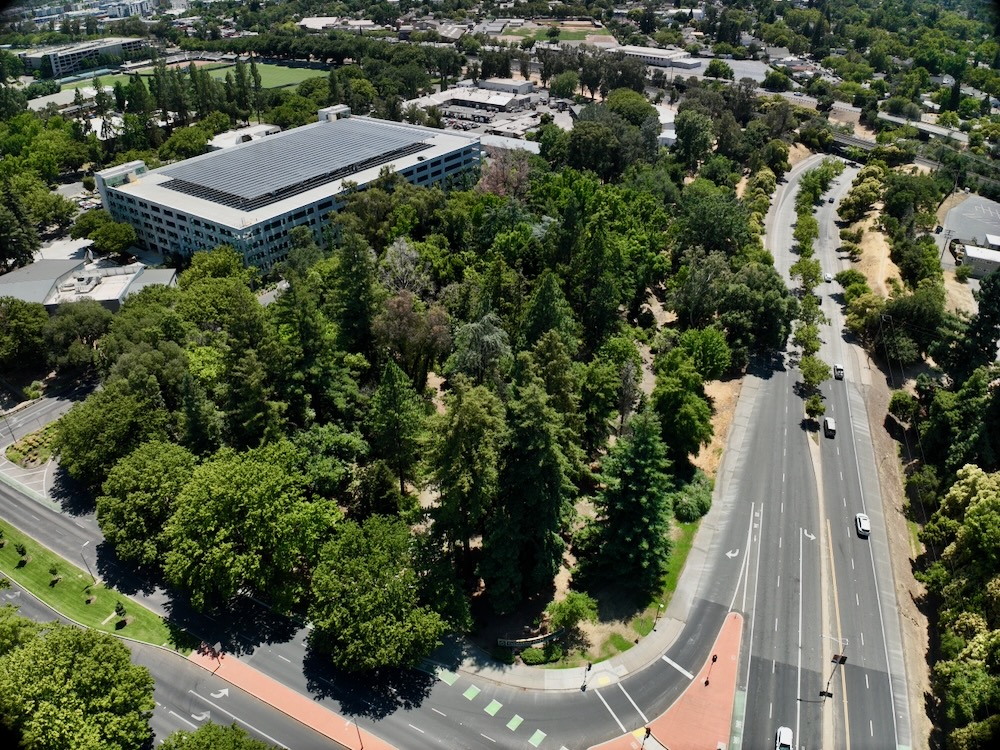
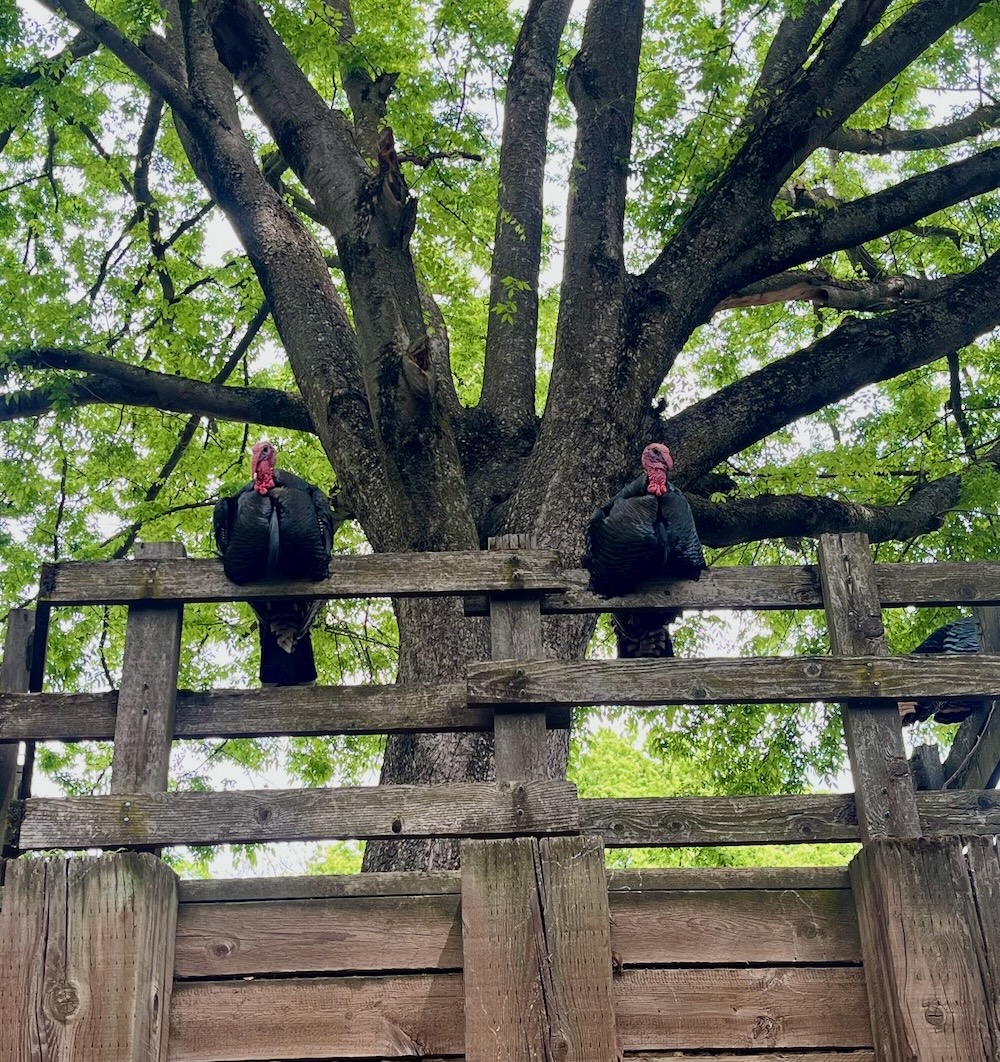
The University Arboretum serves the campus community, the broader Sacramento region, and a variety of urban wildlife, including coyotes, western gray squirrels, California ground squirrels, and wild turkeys. As an outdoor classroom, it supports courses across campus, from art and design to environmental studies, biological sciences, geography, and kinesiology, by providing opportunities for hands-on learning, research, and creative practice. It is also a space for conservation, scientific discovery, recreation, reflection, and community, where visitors can explore plant diversity from California and around the world in a single setting.
Collections
The University Arboretum is home to more than 1,400 individual plants representing hundreds of species from California and around the world. The collections are organized into distinct gardens and landscapes, each highlighting different ecosystems, plant groups, regions, or horticultural themes. Visitors can wander through California native plant communities and Sonoran Desert plants, discover diverse collections of oaks and magnolias, and encounter rare and endangered trees alongside unusual plants from around the world.
History
The University Arboretum was established in 1959 through the efforts of Dr. Albert DeLisle, a professor in the Department of Biological Sciences, and Werner Marsh, a local landscape architect. The Arboretum began with approximately 50 trees representing regions from around the world.
From 1969 to 2004, Dr. Mike Baad, Emeritus Professor of Biological Sciences, cared for the Arboretum while teaching at Sacramento State. During his tenure, he established many of the plant collections that define the Arboretum today, mentored generations of students, led tours and workshops, and helped shape the Arboretum into a place for learning, discovery, and community. After retiring, Dr. Baad continued to volunteer his time and support. He can still occasionally be found driving through the Arboretum with his St. Bernard, Yogi, checking in on the plants and catching up with visitors.