Dr. Mark Stoner, Department of Communication Studies
Contact Information
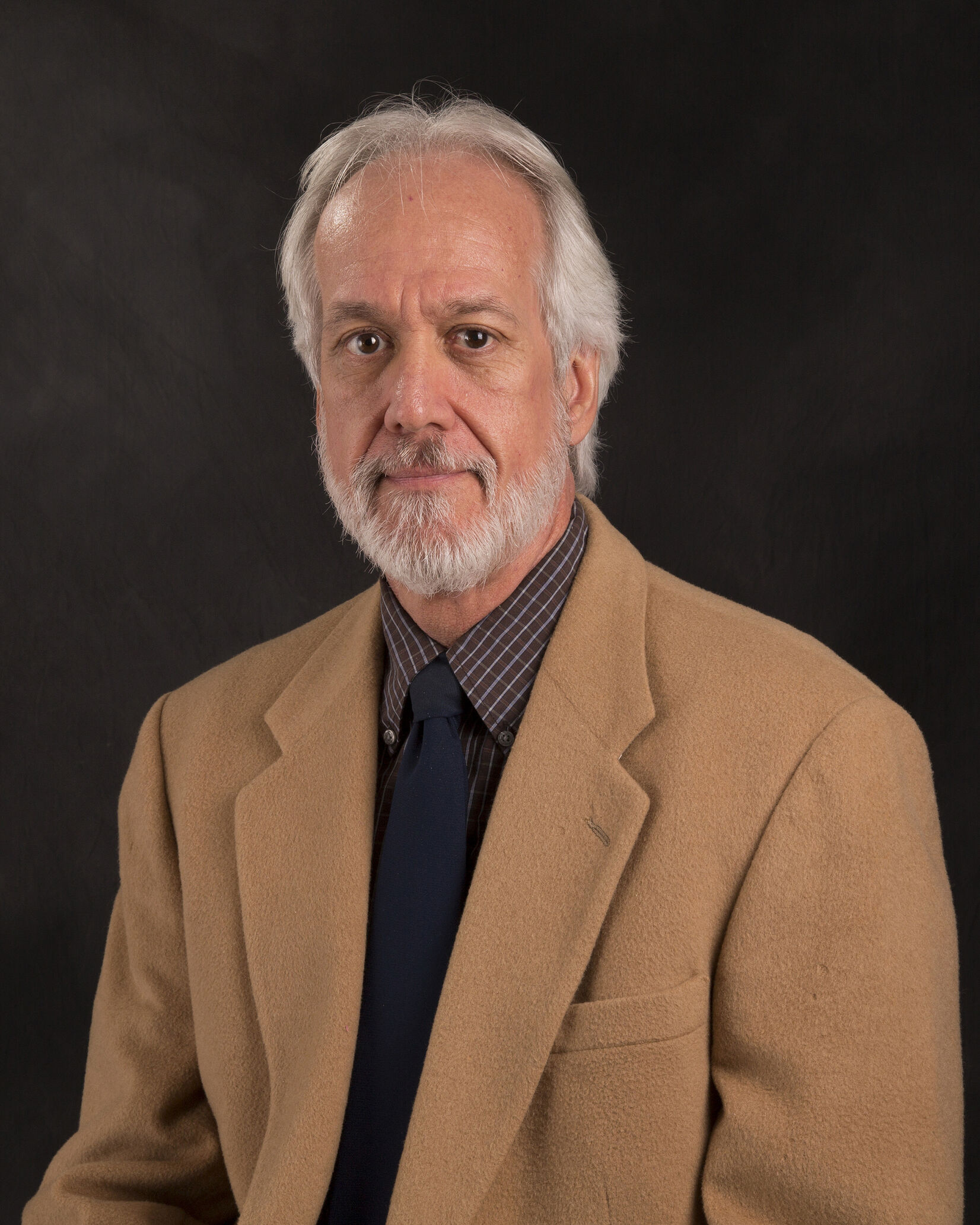
Dr. Mark R. Stoner
Professor Emeritus
My Projects
1. Assistant Executive Director and Co-founder of the National Association of Incarcerated Scholars Our mission: To empower incarcerated and formerly incarcerated scholars through education, advocacy, and community-building.
2. Textbook: (free versions of 2nd and 1st editions)
Stoner, M. (2020). Making Sense of Messages: A Critical Apprenticeship in Rhetorical Criticism, 2nd ed
Stoner, M. & Perkins, S. (2005) Making Sense of Messages: A Critical Apprenticeship in Rhetorical Criticism,1st ed.
Click here to fully access both editions.
3. Working Paper (for review)
Textbook
Making Sense of Messages 2nd Edition

Courses Taught Recently
- ComS 105: Small Group Communication (in TOPPS) SP 2025, Folsom State Prison
- ComS 166 Persuasion Theory and Attitude Change (in TOPPS) FA 2024, Mule Creek State Prison
View student interview with me on my vision of education.
Graduate Courses:
- ComS 221: Instructional Communication Theory
- ComS 222: Instructional Communication Practicum
- ComS 213: Seminar in Criticism
- ComS 207: Dyadic Communication
Upper Division Courses:
- ComS 100B: Critical Analysis of Messages
- ComS 163: Communication, Self and Society
- ComS 167: Systems and Theories of Rhetoric
- ComS 168: Approaches to Rhetorical Criticism
Lower Division Courses:
- ComS 4: Public Speaking
- ComS 5: The Communication Experience
Student Resources

Covered California
CSU and health insurance plans for students
Maximize Accessibility for SWD
CSUS Resources for Students in Crisis
Listening to Students Project
How to Respond to ICE on Campus
International Experience
Ghana: July 2015 Fulbright Specialist Project, University of Cape Coast:
Finland:
April 2013 Suomi opettaa (Finland Teaches): A blog of my trip to University of Jyvaskyla as Visiting Scholar
CSUS Livingston Lecture
2014-2015 John C. Livingston Lecture Announcement
Are Two Heads Really Better Than One? Communication, Collaboration and Coalitions of Minds